
Your Hawaii Volcanoes National Park / Big Island CME conference.
Your dates. Your specialty. We handle everything else.
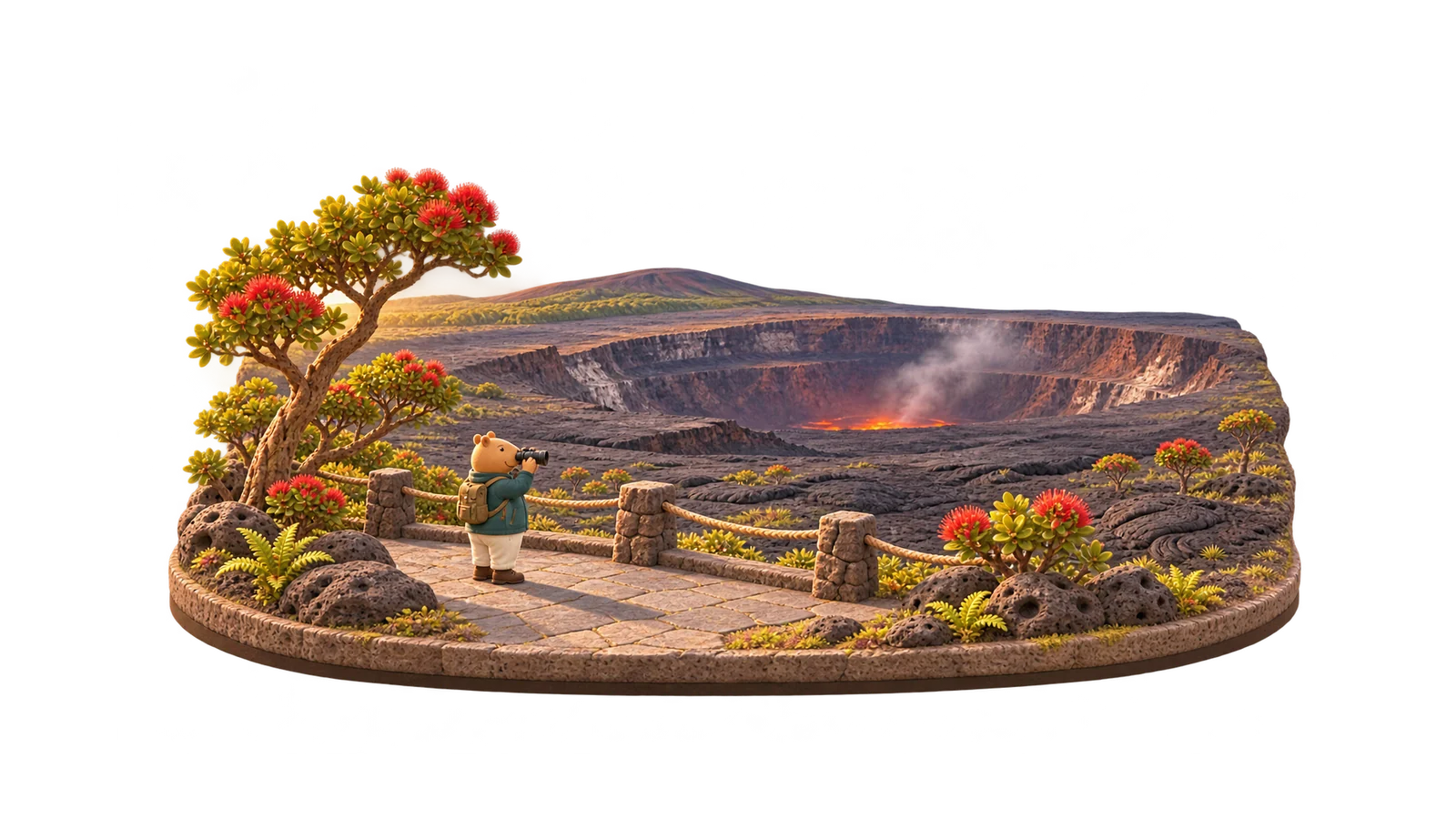
Check in once for the entire trip.
Seamless, start to finish.
A personalized live conference. One-click check-in from your email. Automatic checkout when the conference ends. Documents generated automatically.
See how it worksThe check-in area
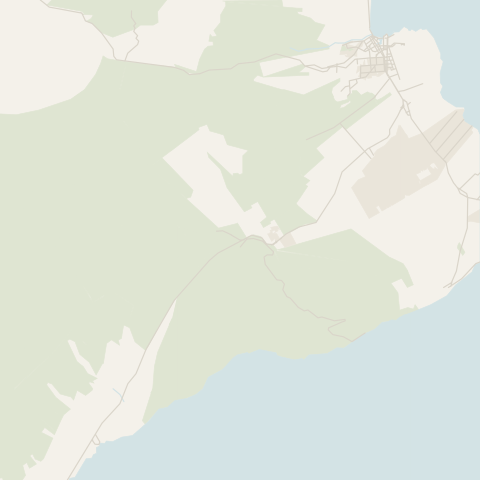
Check in within 20 miles of the designated center.
Unbeatable value. From under $50 a day.
One fee, $349, for a single conference of up to 7 days. Annual membership for multiple trips at the lowest cost per day.
Compare plans
From under $50 per study day
Plus applicable tax.
Make this trip yours.
$349 one time with Lite
One personalized conference in Hawaii Volcanoes National Park / Big Island. Choose 1–7 study days for the same price.
Plus applicable tax.
Make room for more.
Membership: $999 a year
21 study days to use across your conferences throughout the year. Choose a new destination, new dates and a personalized program for each trip.
Renews annually; plus applicable tax.
Documentation, done for you.
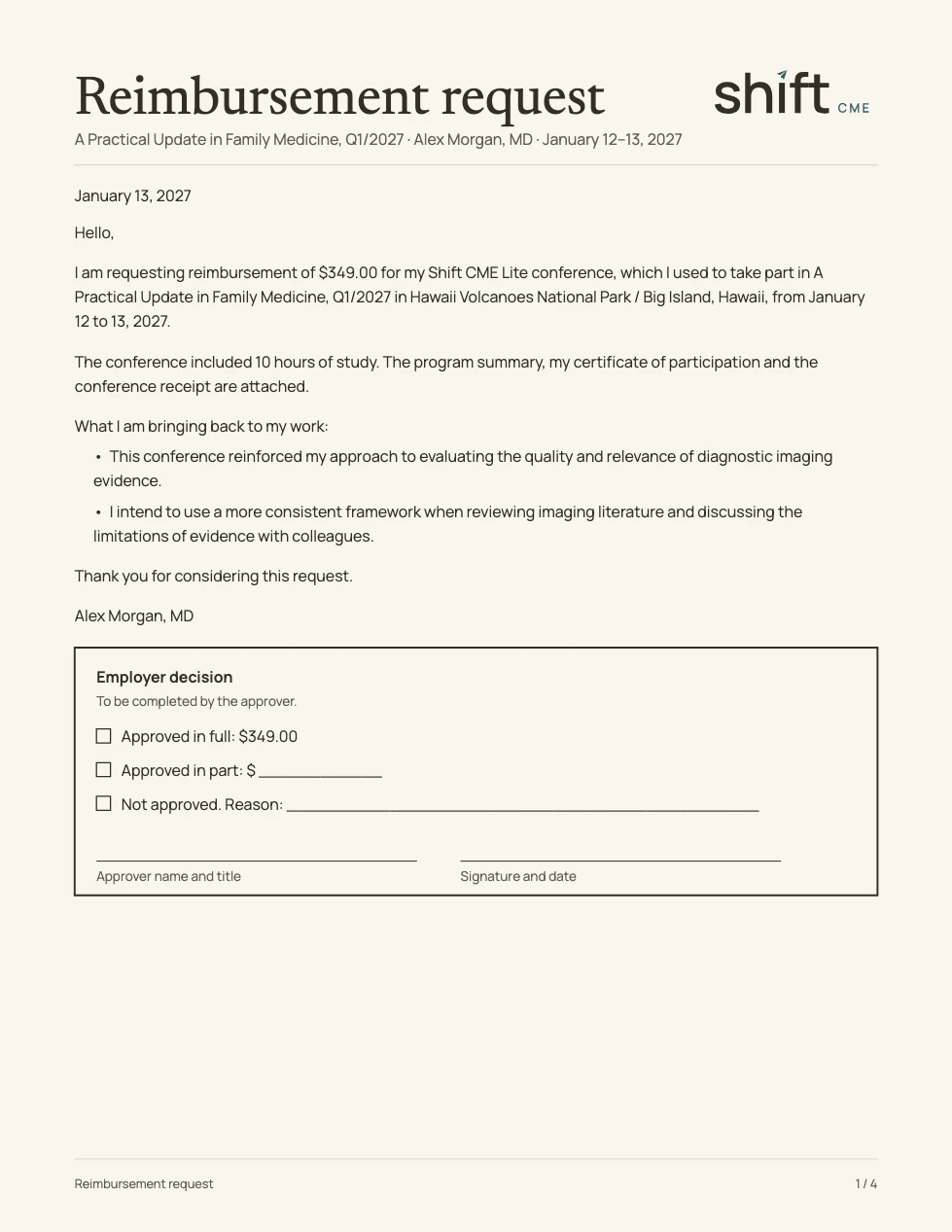
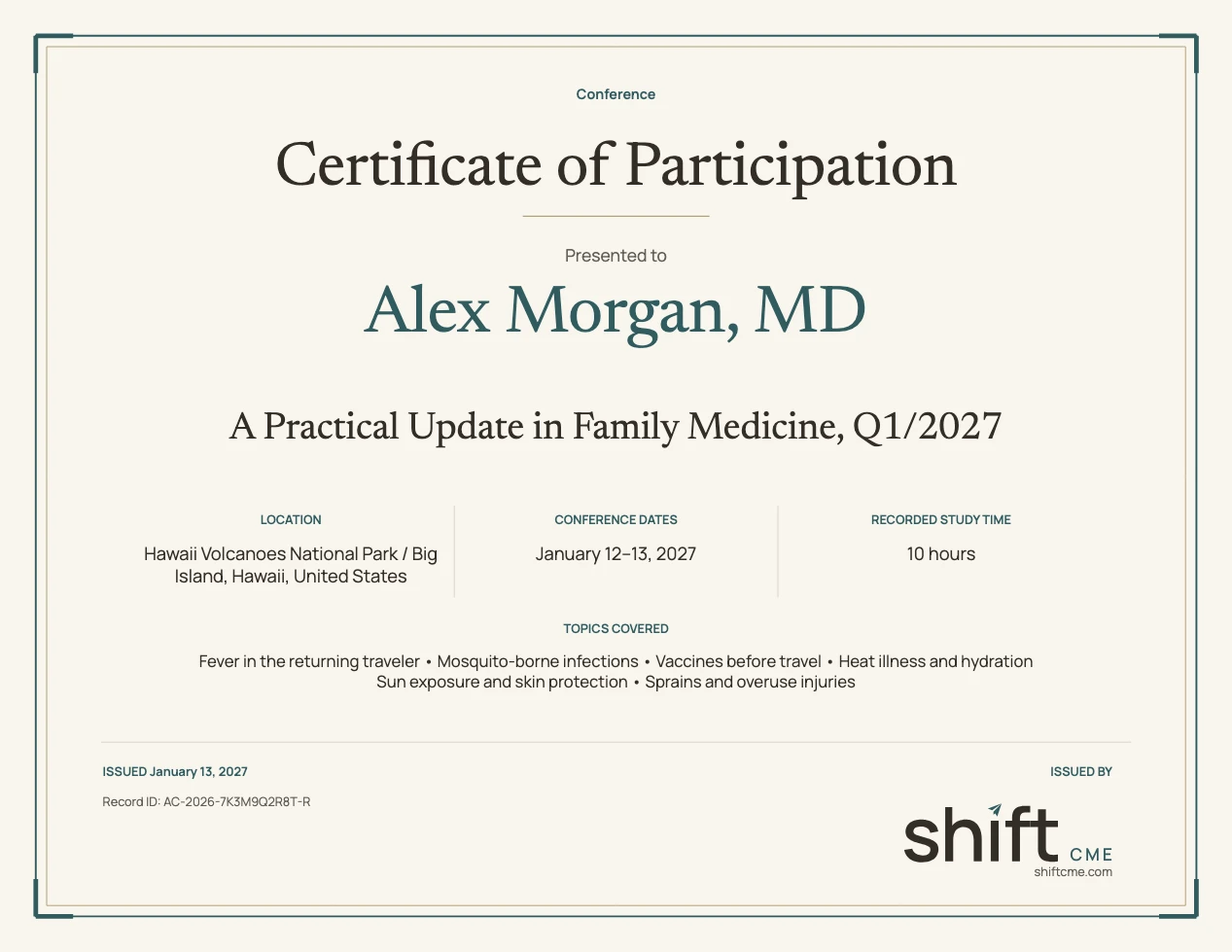
Itinerary, certificate, reimbursement letter. In your inbox. Tax-ready.
Credit options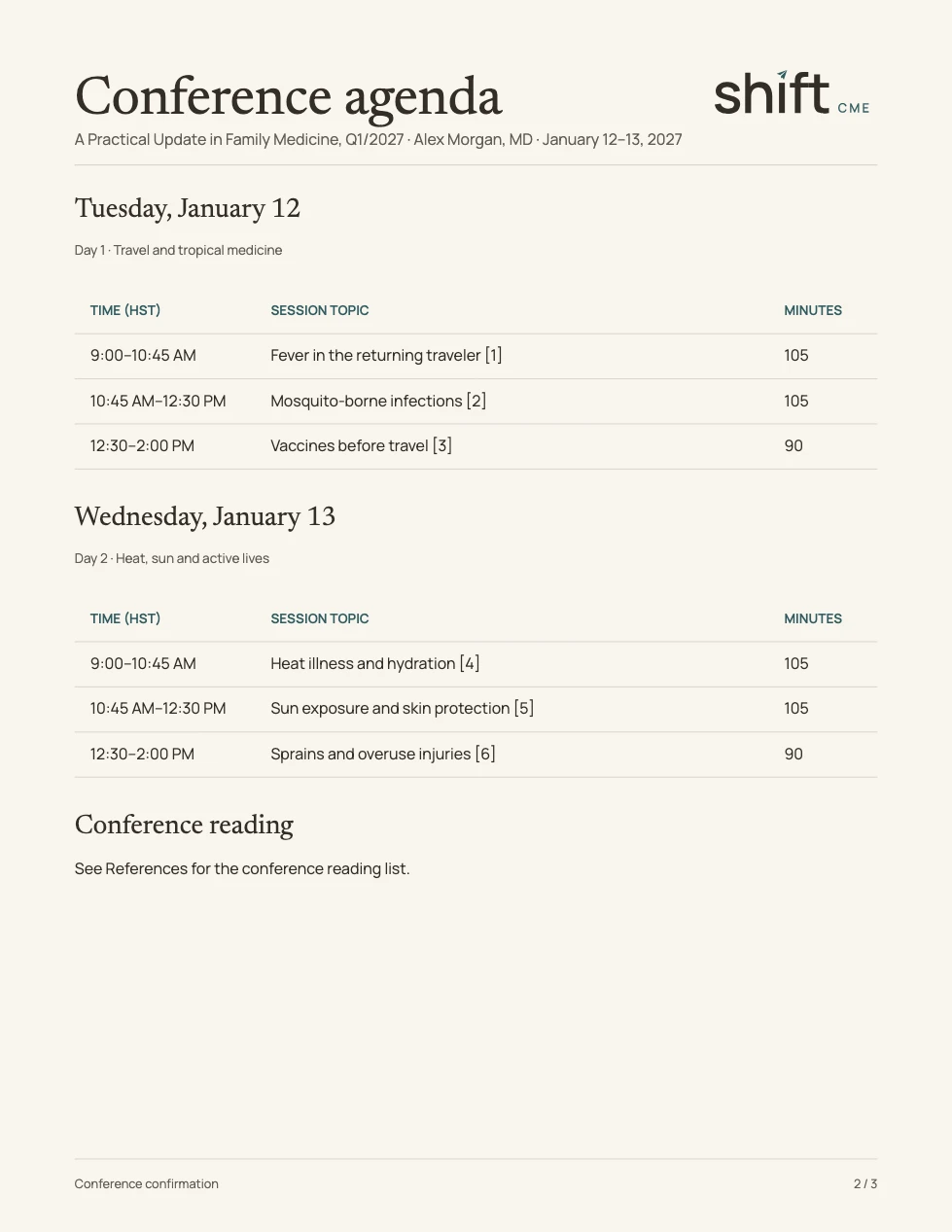
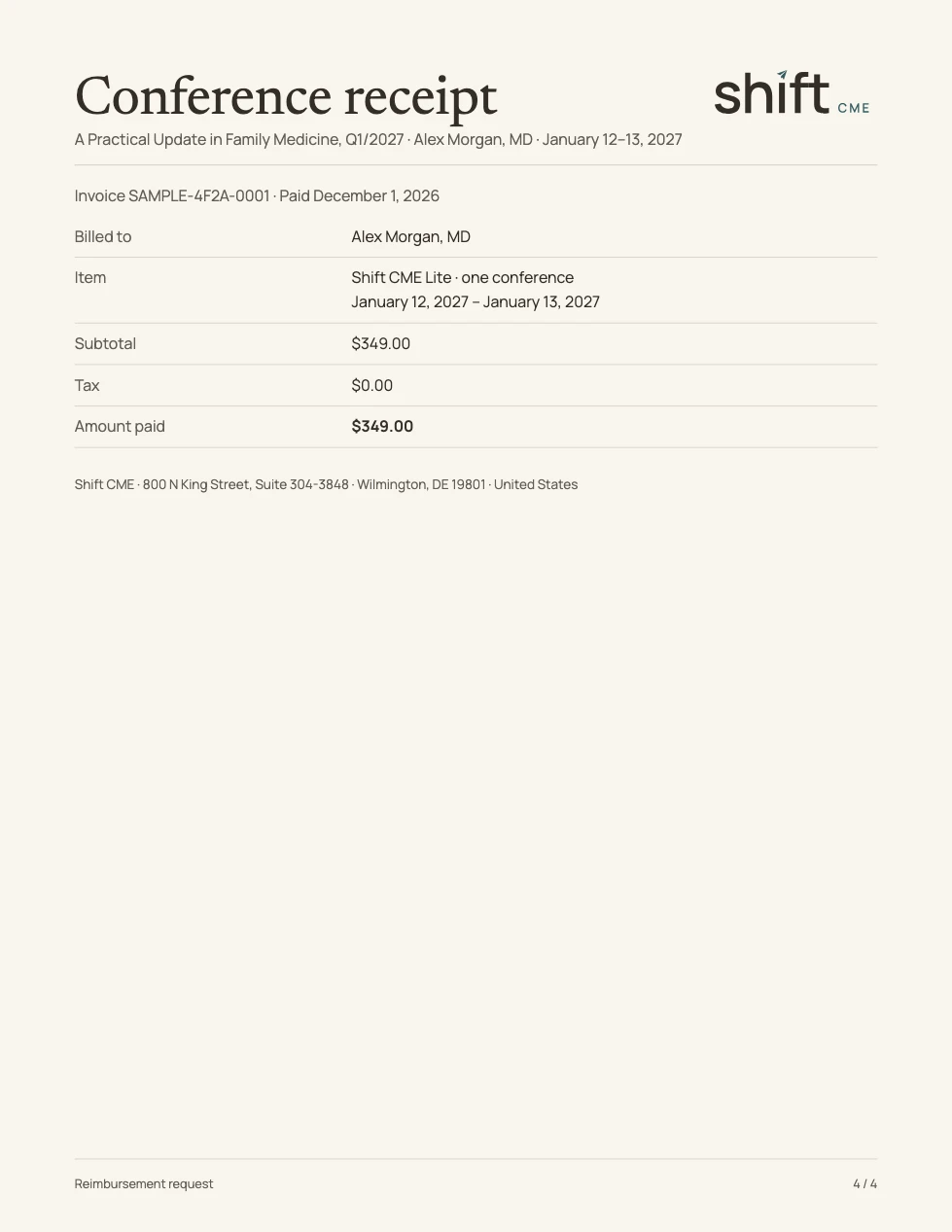
Shift CMEToday
Your Hawaii Volcanoes National Park / Big Island conference documents
Built around your practice.
Personalized live conferences with relevant materials.
Your conference
Hawaii Volcanoes National Park / Big Island
Live today · 9:00 AM – 2:00 PM
Day 1 · Travel and tropical medicine
- Fever in the returning traveler
- Mosquito-borne infections
- Vaccines before travel
The details.
Planning Hawaii Volcanoes National Park / Big Island
How it works, step by step
Choose your dates and specialty.
Make Hawaii Volcanoes National Park / Big Island your setting. Start any day of the year and choose 1–7 consecutive study days.
Review your personal program.
We build it from presentations and journal modules for your specialty. Swap or remove sessions before you confirm.
Go, check in and learn.
Check in once from your phone within 20 miles of the designated center. Study at your destination, then make the afternoon your own. See the Hawaii Volcanoes National Park / Big Island check-in area.
Watch the full How Shift works videoExplore the full three-day primary-care sample
Your program draws on licensed educational content. Presentations pair audio with slides; journal modules link to source readings.
Sample 3-day conference in Hawaii Volcanoes National Park / Big Island
IllustrativeSAMPLE CONFERENCE
A practical update in primary care
Tue 12 – Thu 14 Jan 2027 · 3 study days · 9:00 AM–2:00 PM Hawaii-Aleutian Standard Time
Day 1 · Tue 12 JanTravel and tropical medicine
- 9:00–10:30 AMPresentationFever in the returning travelerAudio and slides at its scheduled time
- 10:30 AM–12:00 PMPresentationMosquito-borne infectionsAudio and slides at its scheduled time
- 12:00–2:00 PMJournal moduleVaccines before travelRead at its PubMed Central link
Day 2 · Wed 13 JanHeat, sun and active lives
- 9:00–10:30 AMPresentationHeat illness and hydrationAudio and slides at its scheduled time
- 10:30 AM–12:00 PMPresentationSun exposure and skin protectionAudio and slides at its scheduled time
- 12:00–2:00 PMPresentationSprains and overuse injuriesAudio and slides at its scheduled time
Day 3 · Thu 14 JanSleep and fatigue
- 9:00–10:30 AMPresentationInsomnia and sleep habitsAudio and slides at its scheduled time
- 10:30 AM–12:00 PMJournal moduleShift work and the body clockRead at its PubMed Central link
- 12:00–2:00 PMPresentationDaytime sleepinessAudio and slides at its scheduled time
Checked in 9:04 AM · location verified within 20 miles
This is a sample program. Review your available topics and formats before you confirm.
Credit options
Category 1 through a session’s accredited provider, where offered.
Category 2 self-claimed by eligible physicians for qualifying learning.
It depends on the session. A presentation or journal module offers AMA PRA Category 1 Credit™ only where its accredited provider offers a CME activity and supplies instructions for claiming it; then you claim it as that provider directs. That credit comes from the provider, not from Shift CME, and not every session offers it. Physicians may also self-claim AMA PRA Category 2 Credit™ for learning they judge meets the AMA's requirements, and your Shift CME records can support that claim. Nurse practitioners and physician assistants follow their own certifying bodies' rules: NCCPA lets PAs self-claim Category 2 CME, while AANPCB and ANCC require accredited contact hours, which Shift CME does not award.
Where to stay in Hawaii Volcanoes National Park / Big Island
From the Devastation Trail and the Nāhuku lava tube to the art galleries of Volcano Village, the Kīlauea summit area has short outings that fit around study time.
- Volcano Village
- Choose Volcano Village for vacation rentals and bed and breakfasts just outside the park boundary. The village also has a Volcano Art Center gallery.
- Kīlauea summit area
- The park service lists a historic hotel with 33 guest rooms inside the park. Its Nāmakanipaio Campground has camper cabins and campsites.
Afternoons, travel and weather in Hawaii Volcanoes National Park / Big Island
The Kīlauea summit sits near 4,000 feet and can be rainy and chilly year-round, while the coast is typically hot and dry with passing showers. Conferences are available all year.
Hawaii Volcanoes after your study day
Study days finish at 2:00 PM Hawaii time. Near the Kīlauea summit, the Devastation Trail is a paved path of about 1 mile round trip, which the park service says takes 30 to 60 minutes. It crosses ground covered by cinder from the 1959 Kīlauea Iki eruption, where life is slowly returning, and threatened nēnē geese are often seen there. Start from the Puʻupuaʻi or Devastation Trail lot, both off Crater Rim Drive.
Travel, lodging and park entry are arranged separately. Your conference follows your specialty and interests, and the volcano is simply the setting you pick for it. Allow for parking, since the park service says lots can fill in the middle of the day and that you should have a backup plan when weather or road closures change.
Lava tube and crater trails
The Nāhuku (Thurston Lava Tube) trail is a moderate 1.5-mile round-trip walk from Kīlauea Iki Overlook, according to the park service. Parking there is extremely limited, and the park suggests going early in the morning or later in the afternoon, or parking at Devastation Trailhead or Puʻupuaʻi for a longer hike.
The Kīlauea Iki Trail is a 3.3-mile loop from the overlook, rated moderate to challenging, steep and rocky, with a 400-foot descent and climb. It drops through rainforest to a solidified lava lake on the crater floor, and the park service suggests 2 to 3 hours. From the Kīlauea Visitor Center the same route is 5.3 miles round trip, and from Devastation Trailhead a 6.0-mile route adds Nāhuku and takes four to five hours. With a 2:00 PM finish, these are better days-off hikes than after-study walks.
Volcano Village and local art
Volcano Village lies just outside the park boundary, and the park service says it has many vacation rentals and bed and breakfasts. The Volcano Art Center, a nonprofit founded in 1974, shows and sells work by local artists. Its main gallery is in the park’s historic 1877 hotel, and its Niaulani Campus in Volcano Village has a small gallery. Check each site’s hours against your 2:00 PM finish before going.
Waterfalls on the Hilo side
On a day off, the Hilo side has two state parks with waterfalls. Wailuku River State Park, reached via Waiānuenue Avenue in downtown Hilo, has the 80-foot Rainbow Falls, where a rainbow often forms in the morning mist, and the Boiling Pots, a succession of big pools connected by underground flow or cascades. ʻAkaka Falls State Park, at the end of Highway 220 about 3.6 miles southwest of Honomū, has a 0.4-mile loop footpath to a fall that plunges 442 feet. The loop has multiple steps and is not wheelchair accessible. Check each park’s posted hours before you set out.
Drives and the wider park
The park service lists Crater Rim Drive as a scenic loop around the Kīlauea summit and Chain of Craters Road as a scenic drive down the volcano’s slopes to the sea. The coastal end is near the Hōlei Sea Arch, where conditions are usually hotter, drier and windier than at the summit. Summit temperatures can be 12 to 15 degrees cooler than at sea level, so bring layers for both.
The park also has more than 123,000 acres of designated wilderness for backcountry hiking and a Kahuku Unit on Highway 11 in Kaʻū, about an hour from the main park. A summit construction project is causing closures and delays, so check the park’s alerts and the Hawaiian Volcano Observatory status page for Kīlauea and Mauna Loa. The park also posts air quality alerts, because hazardous volcanic gases can endanger sensitive groups.
When to visit Hawaii Volcanoes
The park service gives no seasonal calendar, and the destination works year-round. What changes most is elevation. The summit near 4,000 feet is rainy and chilly in any month, while the coastal plain is typically hot, dry and windy.
If an eruption is under way, the park warns of extra congestion and suggests that visiting before sunrise or after sunset may be smoother. The park service also suggests downloading the NPS app and its offline content before you go, since weather and road closures can change plans. Pick trails that match your fitness, stay on designated trails and overlooks, and avoid closed areas because of hidden sinkholes, unstable cliffs and volcanic gases.
Getting to Hawaii Volcanoes and your study setting
Hilo International Airport (ITO) is the arrival point shown in this guide, on the east side of the Big Island. The park service says the park is 30 miles southwest of Hilo on Highway 11, about a 45-minute drive, and Kailua-Kona about 95 miles away, roughly 2 to 2.5 hours. The park service also lists Ellison Onizuka Kona International Airport as an option, served on trans-Pacific routes by many major airlines, though the drive from Kona is longer. The park has no shuttle or public transportation, and rideshare apps are often unavailable inside it, so plan a rental car or another ride.
The map shows straight-line distances from Shift’s designated center. These are orientation distances, not driving distances or travel-time estimates. Check your exact address against the conference’s check-in area before booking.
- Destination
- Hawaii Volcanoes National Park, Hawaii
- Travel season
- Year-round
- Arrival airport
- Hilo International · ITO
- Check-in area
- Within 20 miles of the center
Weather guidance helps you choose a travel season. Shift conferences are available all year.
Sources & local details
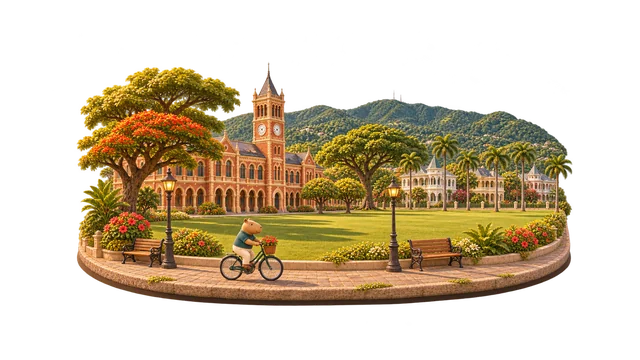
Local guidance by Shift CME, with official sources and individual review dates below. Confirm opening hours, transport and admission directly before booking. The diorama is an illustration, not a venue or included attraction.
- National Park Service · Weather and climateChecked
- National Park Service · Directions and transportationChecked
- National Park Service · Things to doChecked
- National Park Service · LodgingChecked
- National Park Service · Current conditionsChecked
- National Park Service · Plan your visitChecked
- National Park Service · Nāhuku (Thurston Lava Tube)Checked
- National Park Service · Kīlauea Iki TrailChecked
- National Park Service · Devastation TrailChecked
- Volcano Art Center · AboutChecked
- Hawaii State Parks · Wailuku River State ParkChecked
- Hawaii State Parks · ʻAkaka Falls State ParkChecked
- Hawaii Department of Transportation · Hilo International AirportChecked
FAQ
How does a conference work?
Choose your destination, dates and specialty. Your program includes journal modules and scheduled presentations. Presentations start at their scheduled times, rather than on demand. Review the program before you confirm. See each step.
Why do I need to be at the destination?
Shift CME licenses educational content for live conferences at designated destinations. Those licenses restrict use to the conference location, so you need to be at your selected destination to participate. Presentations start at their scheduled times as part of your personalized program.
Where do I need to check in?
Select a destination from the destinations page. Check in once during your conference, within 20 miles of the destination’s designated center. Check-in is open from 6:00 AM to 10:00 PM destination time on any study day. If you haven’t checked in by 10:00 PM on your last study day, no participation is recorded. Enable browser location access; if your phone can’t confirm your location, you can confirm it yourself when you check in.
How long is a study day?
Study days run from 9:00 AM to 2:00 PM local time, with presentations starting at scheduled times. That leaves the rest of the day to enjoy your destination.
What does it cost?
Membership is $999 a year (introductory price), plus applicable tax, and renews at $999 a year until you cancel. It includes 21 conference days a year. Each conference uses 1 to 7 conference days. Members can add days for $40 each. Without a membership, one conference of up to 7 study days is $349, paid before you create it. Read about membership.
Can I change a confirmed conference?
Before you confirm, you can swap or remove sessions, or regenerate the plan. Choosing Confirm and lock itinerary locks the program. To change it after that, cancel the conference and plan a new one. Cancelled or incomplete confirmed conferences keep their confirmation.
 Orlando
 New York City
 Chicago
 Atlanta
 Philadelphia
 Phoenix
 Las Vegas
 San Diego
 Minneapolis
 Washington, D.C.
 San Francisco
 Austin
 Baltimore
 Tampa
 Miami / Miami Beach
 Boston
 Houston
 Seattle
 Pittsburgh
 St. Louis
 New Orleans
 Myrtle Beach
 Denver
 Nashville
 Virginia Beach
 Savannah
 Palm Springs
 Great Smoky Mountains National Park
 Adirondacks
 Scottsdale / Phoenix
 Portland, Oregon
 Ocean City, Maryland
 Charleston
 Santa Barbara
 Santa Monica / Los Angeles
 Gulf Shores
 Galveston
 Laguna Beach / Orange County
 Honolulu (Waikiki)
 Oahu – North Shore
 Catskill Mountains
 Cape Cod
 Zion National Park
 Grand Canyon National Park
 Monterey
 Yellowstone National Park
 Bend
 Destin
 Rocky Mountain National Park
 Yosemite National Park
 Michigan's Upper Peninsula
 Acadia National Park
 Napa Valley
 Olympic National Park
 Grand Teton National Park
 Traverse City
 Newport, Rhode Island
 Glacier National Park
 North Lake Tahoe (Truckee)
 South Lake Tahoe
 Sedona
 Canyonlands National Park / Island in the Sky
 Key West
 Seaside/30A
 Joshua Tree National Park
 Hilton Head Island
 Outer Banks
 Big Sur
 Door County
 San Juan, Puerto Rico
 Bryce Canyon National Park
 Hot Springs National Park
 Maui – Kaanapali
 Maui – Wailea
 Texas Hill Country
 Coronado / San Diego
 Columbia River Gorge
 Sanibel Island / Fort Myers
 St. Thomas
 Santa Fe
 New River Gorge National Park
 Shenandoah National Park
 Vail
 Breckenridge
 Mount Rainier National Park
 Naples, Florida
 Park City
 Amelia Island
 Rehoboth Beach
 Port Aransas
 Charlottesville
 Cannon Beach
 Arches National Park
 Death Valley National Park
 Capitol Reef National Park
 Mammoth Lakes
 Kauai
 Sequoia National Park
 Kona / Big Island
 Badlands National Park
 Palm Beach
 Perdido Key / Pensacola
 Sonoma
 Islamorada / Florida Keys
 Paso Robles
 Saratoga Springs
 Oxford
 Grand Staircase-Escalante
 Bryson City / Great Smoky Mountains
 Marco Island / Naples
 Killington
 Mammoth Cave National Park
 Everglades National Park
 Haleakala National Park / Maui
 White Sands National Park
 Ruidoso
 Copper Mountain
 Jackson Hole
 Redwood National Park
 Deer Valley / Park City
 Steamboat Springs
 Big Sky
 Winter Park
 Alta/Snowbird
 Beaver Creek / Vail Valley
 Snowmass / Aspen
 Cashiers / Blue Ridge Mountains
 Homer / Kenai Peninsula
 Carmel Valley / Monterey
 St. John
 Jensen Beach / Treasure Coast
 Cabo Rojo, Puerto Rico
 Aspen
 Telluride
 Mount Bachelor / Bend
 Edisto Island
 Sun Valley
 Whitefish
 Stowe
 Taos
 Crested Butte
 Nantucket
 Martha's Vineyard
 Suttons Bay / Traverse City
 Moosehead Lake
 The Greenbrier (White Sulphur Springs)
 Squam Lake / New Hampshire Lakes Region
 Greer / Arizona White Mountains
 Lanai
 Mystic, Connecticut
 Indianapolis
 Iowa Great Lakes (Okoboji)
 Wichita
 Omaha
 Cape May
 Theodore Roosevelt National Park
 Cleveland
 Tulsa
 Los Angeles
 San Antonio
 Asheville
 Kansas City
 Denali National Park
 Juneau
 Anchorage
 Salt Lake City
 Louisville
 Memphis
 Portland, Maine
 Burlington, Vermont
 Dallas
 Fort Lauderdale
 Clearwater Beach / Tampa Bay
 St. Augustine
 Annapolis
 Williamsburg
 Mackinac Island
 Branson
 Chattanooga
 Kennebunkport
 The Hamptons
 Tucson
 Albuquerque
 Durango
 Mendocino
 San Juan Islands
 Kiawah Island
 Lake Geneva
 Rincón, Puerto Rico
 Vieques
 St. Croix
 Banff
 Lake Louise
 Jasper
 Calgary
 Whistler
 Vancouver
 Victoria, British Columbia
 Tofino
 Kelowna / Okanagan Valley
 Toronto
 Niagara-on-the-Lake
 Huntsville / Muskoka
 Ottawa
 Montreal
 Quebec City
 Mont-Tremblant
 Halifax
 Baddeck / Cape Breton
 Charlottetown, Prince Edward Island
 St. John's, Newfoundland
 Whitehorse
 Cabo San Lucas
 Puerto Vallarta
 Riviera Nayarit (Punta de Mita)
 Cancún
 Playa del Carmen
 Tulum
 Mexico City
 Oaxaca
 San Miguel de Allende
 Mérida
 Guadalajara
 Ixtapa-Zihuatanejo
 Huatulco
 Valle de Guadalupe
 Antigua
 Aruba
 Nassau & Paradise Island
 George Town / Exumas
 Harbour Island
 Barbados
 Bermuda
 Liberia / Guanacaste
 Arenal (La Fortuna)
 Manuel Antonio / Quepos
 Roseau / Dominica
 Punta Cana
 Santo Domingo
 Grenada
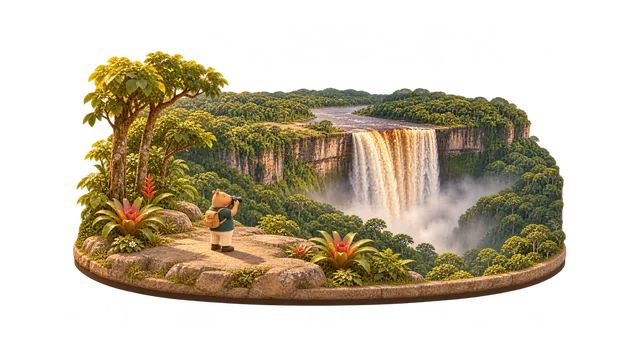 Georgetown, Guyana
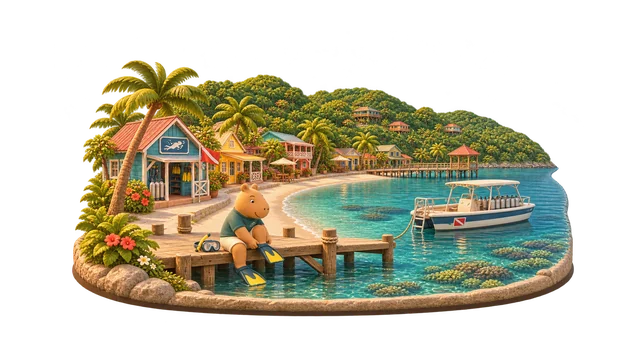 West End / Roatán
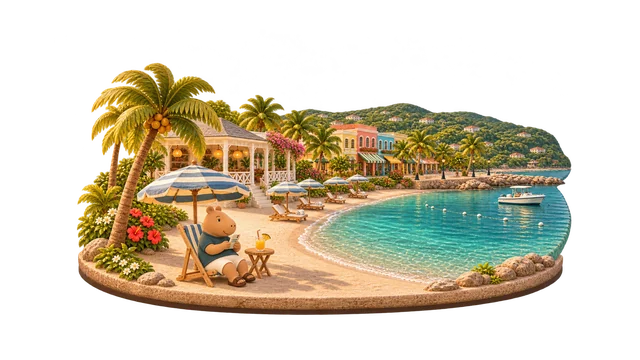 Montego Bay
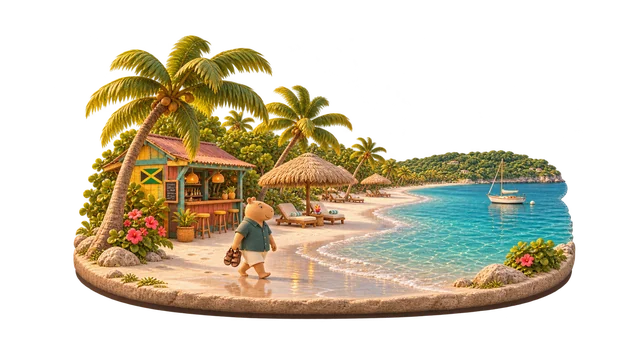 Negril
 Ocho Rios
 Willemstad / Curaçao
 Bonaire
 Sint Maarten
 Panama City
 Bocas del Toro
 Boquete
 Scarborough / Tobago
 Port of Spain
Hawaii Volcanoes National Park / Big Island. Your conference.
Pick your dates. We do the rest.